The ingredients and what each one does
For a shallow dish that holds about a litre, you need: 1 can coconut milk (approx. 400 ml), 1 can sweetened condensed milk (approx. 400 g), 1 cup coconut water (about 2.5 dl), 1 teaspoon vanilla extract and a pinch of salt. To serve, add desiccated coconut and fresh fruit, best mango or pineapple. That makes about eight scoops.
Each ingredient has a job. The coconut milk brings the fat, and fat is why the ice cream turns creamy. The condensed milk brings the sugar, and sugar keeps the mixture soft in the freezer instead of rock-hard. The coconut water is the liquid in the base: it thins the two thick milks enough for the mixture to be stirred, and because it brings almost no sweetness of its own, the sweetness stays the condensed milk's job alone. The vanilla rounds it off. You don't taste the salt as salt; it makes the coconut note clearer.
One thing to know before you shop: sweetened condensed milk is a dairy product. Anyone cooking without animal ingredients needs a different recipe.
Method: mix, freeze, stir
Whisk the coconut milk and condensed milk together in a large bowl until smooth. Canned coconut milk is often separated into a solid and a liquid layer; that's normal and disappears once you whisk it. Then add the coconut water, vanilla extract and salt, and stir thoroughly until no streaks remain.
Pour the mixture into a shallow dish, ideally metal, and cover it with cling film. Shallow matters: the larger the surface, the faster the mixture freezes through and the easier it is to stir. Put the dish in the freezer.
From here it's stir every 30 minutes, for four to five hours. Use a fork or the whisk and work from the edge to the middle, since the mixture freezes at the edge first. By the third or fourth round it's noticeably thicker; after that, a firm stir through is enough. The ice cream is done when it can no longer be poured but is still soft enough for a spoon.
Why the stirring matters
Ice crystals grow in the mixture as it freezes. Left undisturbed, they grow large, and the ice cream turns hard and grainy. An ice-cream maker prevents that by keeping the mixture constantly moving. Stirring by hand does the same thing at intervals: it breaks the crystals while they're still small, and mixes the frozen edges into the still-soft middle.
Missing one round doesn't mean starting over: stir a little longer and harder, briefly with a stick blender if you need to, then carry on as planned. Skipping the stirring altogether only works if a firmer result doesn't bother you — closer to granita than to ice cream.
Serving: bowl, cone, mango or pineapple
Take the ice cream out of the freezer ten minutes before serving, so it scoops cleanly. Serve it in bowls or in cones, with desiccated coconut and cubes of ripe mango or pineapple on top. Toasted briefly golden in a dry pan, the coconut tastes distinctly nuttier.
The ice cream is sweet and not very tart, so a fruit with some acidity suits it better than a sauce. It works after a curry or a barbecue, at a children's birthday, or on a warm evening on the balcony.
Variation: mango swirl
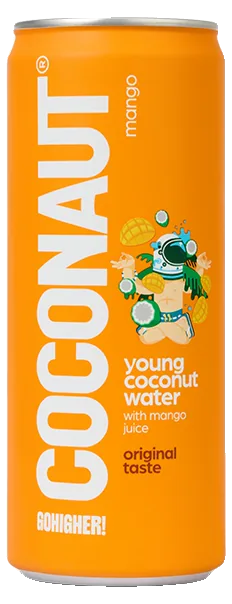
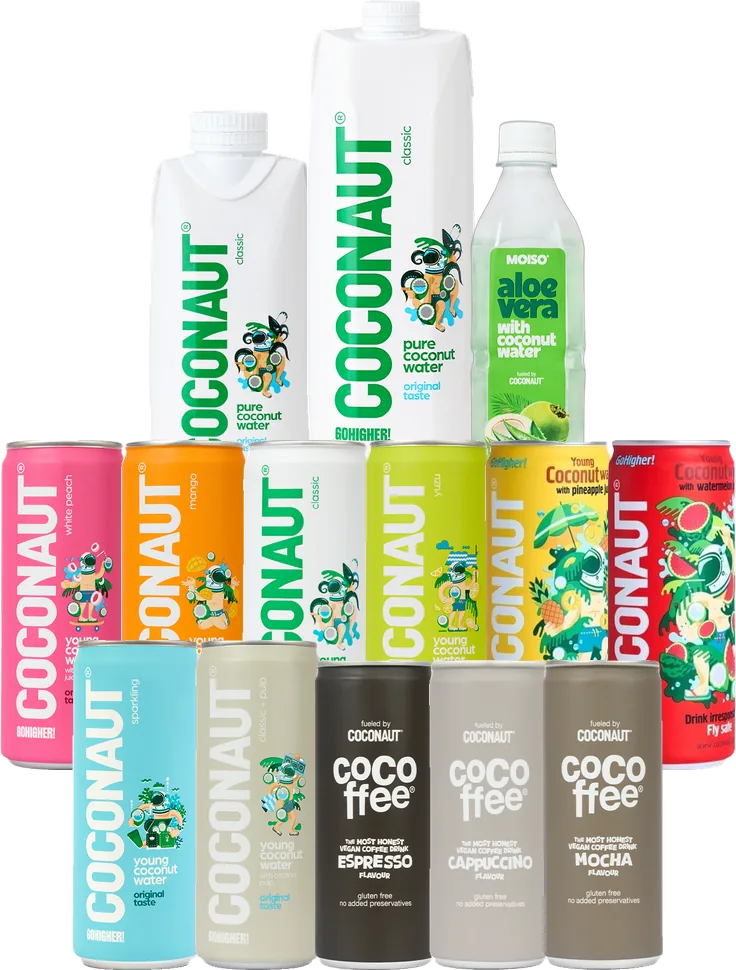
For a fruitier result, swirl a mango ripple through the mixture just before it's done. Purée a ripe mango and thin the purée with two to three tablespoons of Mango until it runs off the spoon but stays thick. Mango is 20% mango juice, not from concentrate, and points the same way as the purée: tropical, rounded, intensely fruity.
During the last stir, once the mixture is already thick, pour the mango purée over it in stripes and draw a fork through it two or three times. Don't stir it in properly, or the swirl turns into an evenly orange ice cream. Then freeze for another 30 to 60 minutes, this time without stirring.
Which pack belongs in the kitchen
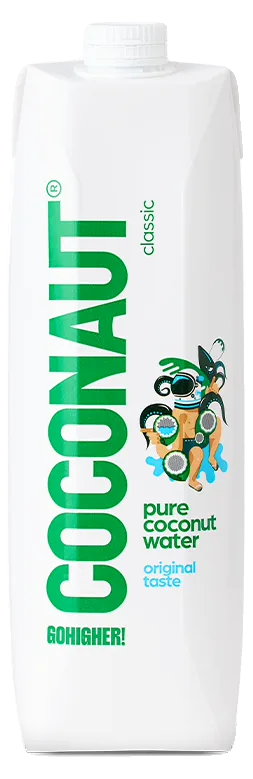
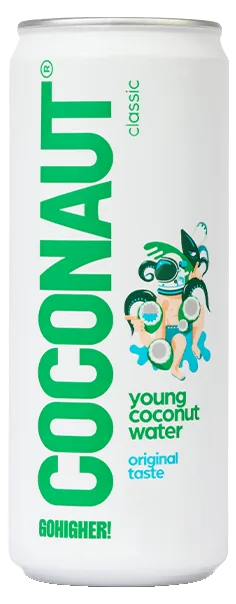
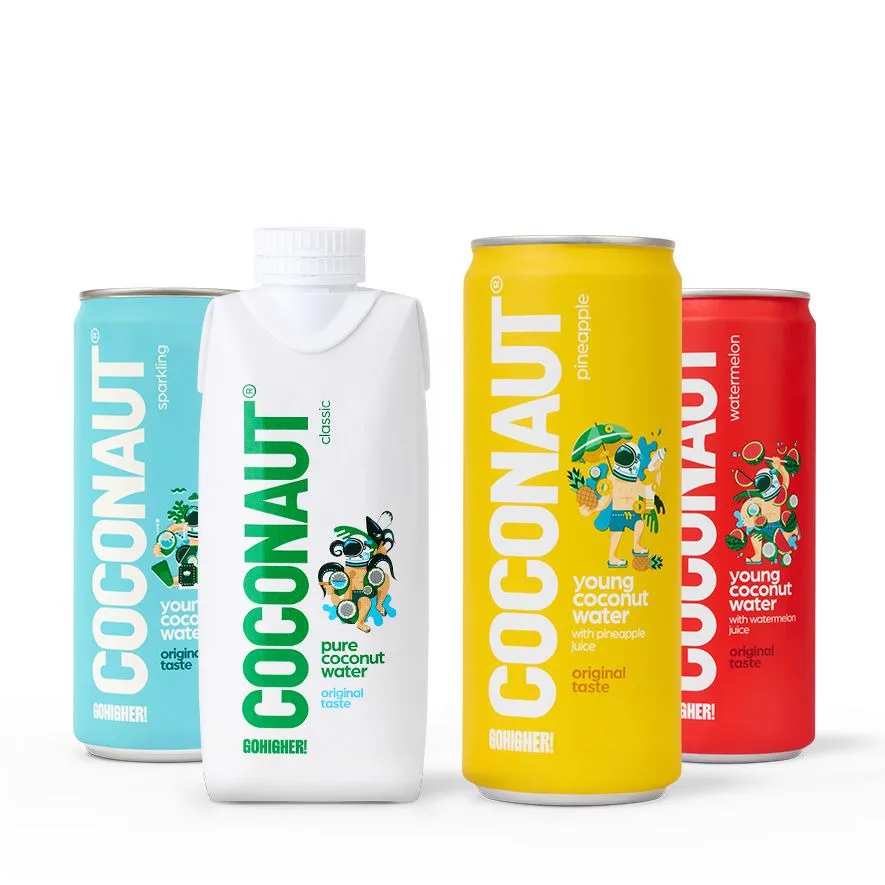
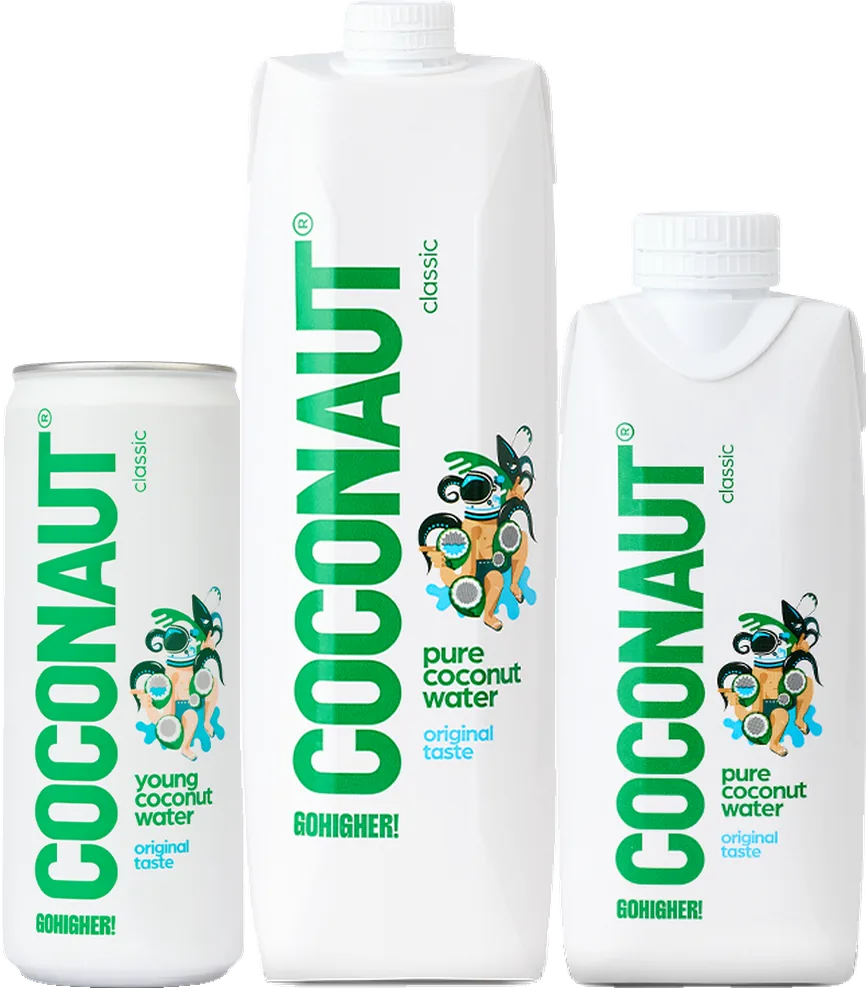
For the cup you need about 2.5 dl. Classic 1000 ml is the obvious pack for that: 100% coconut water, with no added sugar (contains naturally occurring sugars), in a Tetra Pak, UHT-treated and mild in taste. It covers the cup with plenty left over; the rest keeps in the fridge for three days. Anyone with only cans in the house takes Classic 320 ml: one can covers the cup with a small amount left over, to be drunk within two days.
For the mango swirl, add one can of Mango. Unopened, the litre pack and the cans keep dry and cool in a cupboard; a stock in reserve means you can start on a whim. What else sets the three formats apart is covered in the article on the can, the carton and the litre pack; how coconut water is stored once opened is covered in the article on storing and serving. Why coconut water and coconut milk are two different things is explained in the article on what coconut water actually is.
Frequently asked questions
Can you make coconut ice cream without an ice-cream maker?
Yes. The mixture is stirred every 30 minutes for four to five hours in a shallow dish; that replaces the machine's paddle.
Why does homemade ice cream turn hard and grainy?
Because large ice crystals form as it freezes. Regular stirring keeps them small; the sugar and fat from the condensed milk and coconut milk keep the mixture soft as well.
Is the coconut ice cream vegan?
No. Sweetened condensed milk is a dairy product. The coconut water on its own is V-Label certified; the recipe as a whole is not.
Can I leave out the coconut water and use only coconut milk?
Yes, but the ice cream turns denser and richer and is harder to stir. The coconut water keeps the mixture lighter.
How long does the ice cream keep in the freezer?
Well covered, a few days; after that new crystals form on the surface. Let it stand for ten minutes before serving.