Which variety goes in the pot and which in the batter
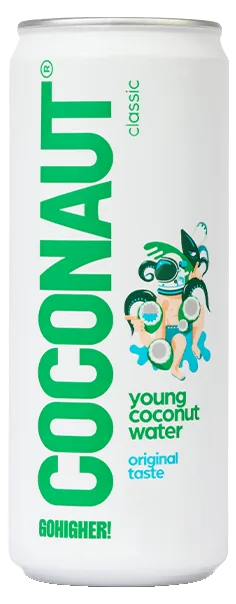
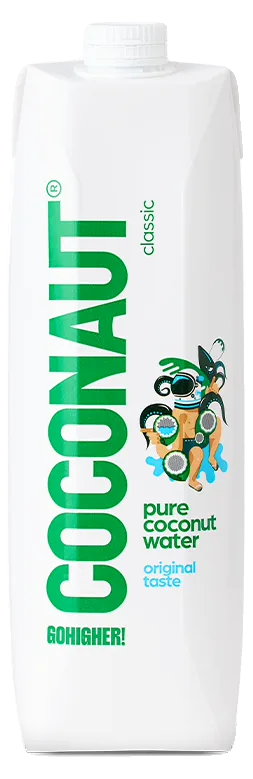
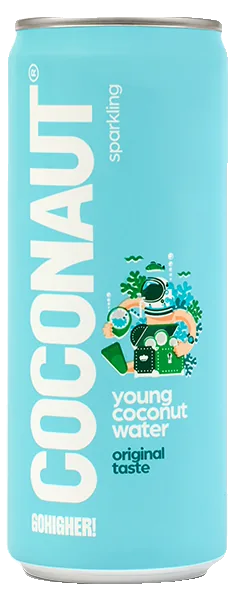
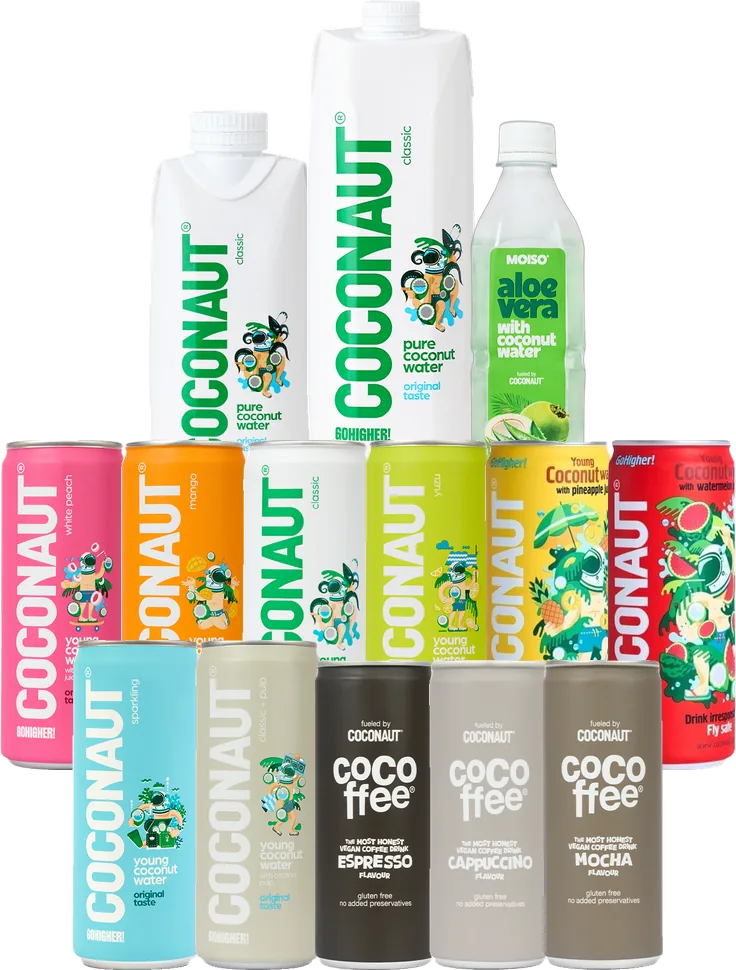
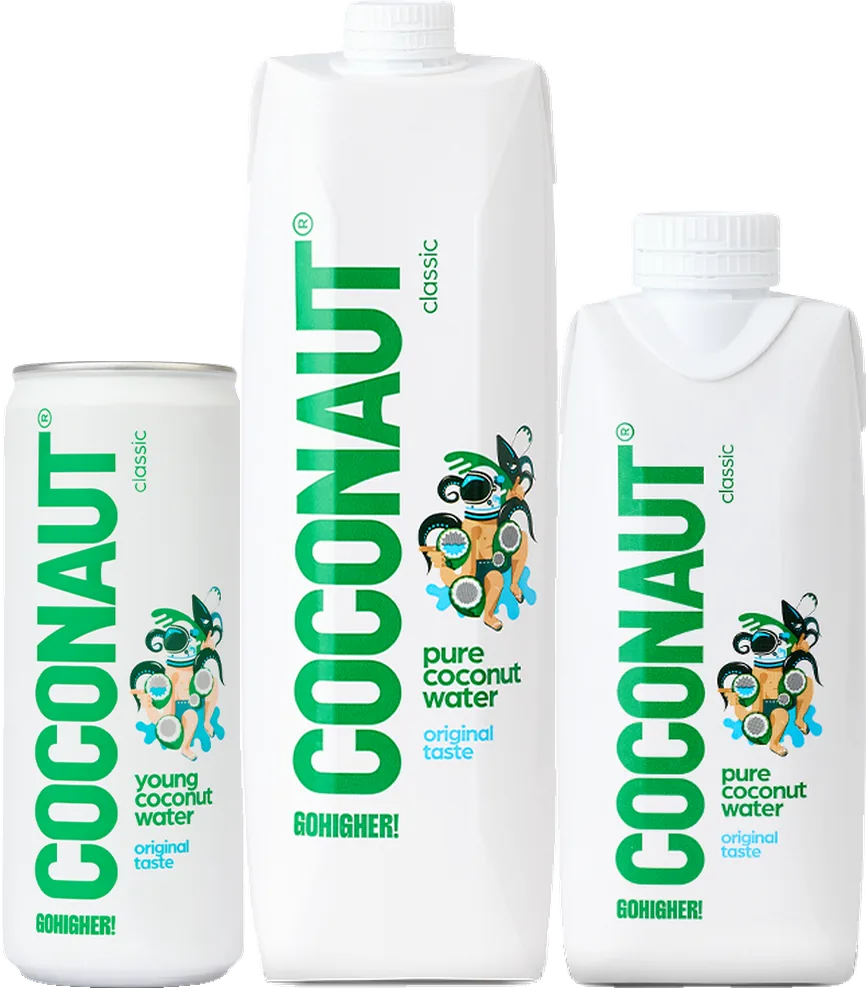
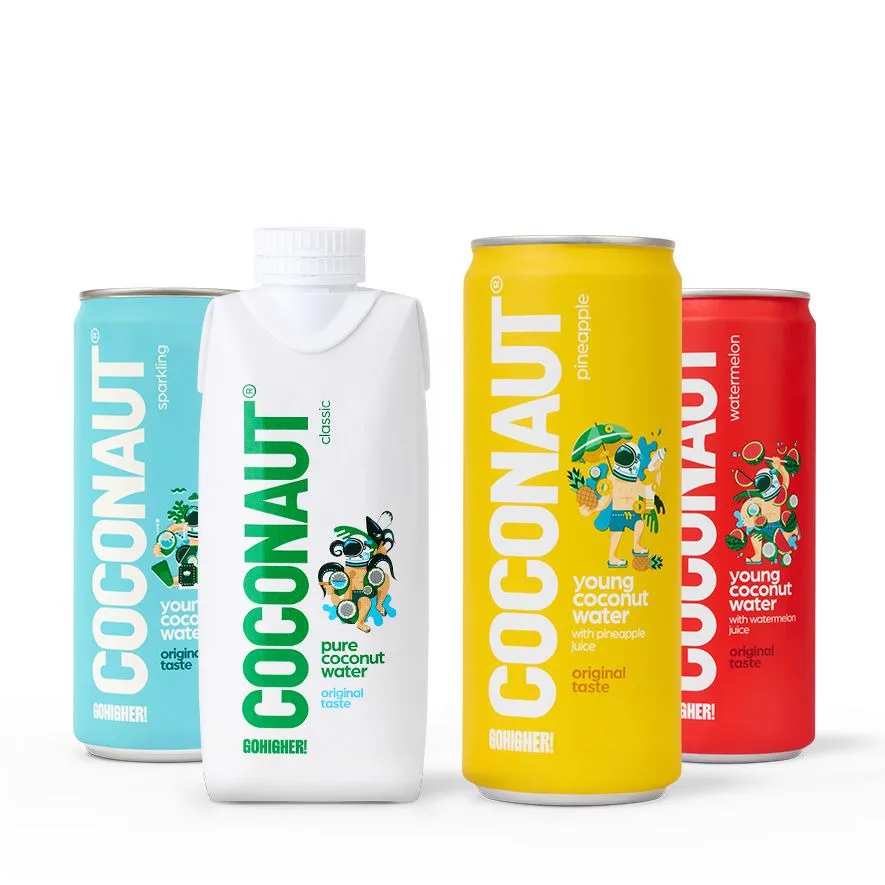
For cooking, take Classic 320 ml: the original in the can, 100% coconut water, with no added sugar (contains naturally occurring sugars) and no additives, and with no carbonation, which would cook off in the pot anyway. One can makes one generous portion of porridge. Anyone cooking with it several times a week takes Classic 1000 ml: the same single ingredient in the carton, UHT-treated and mild in taste. The three formats are covered in the article on can, carton and litre pack.
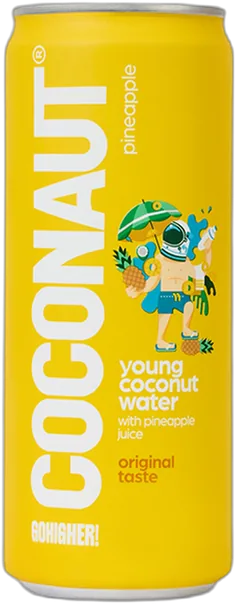
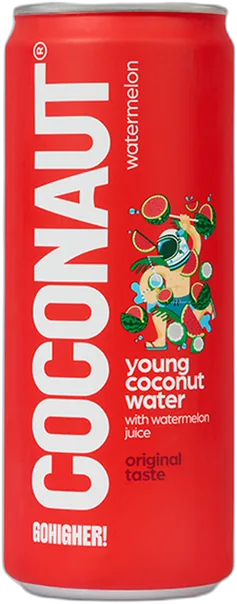
The fruit varieties go wherever their fruit belongs in the recipe anyway. Pineapple — coconut water with 20% pineapple juice, not from concentrate — goes into the pancake batter; Watermelon, with 20% watermelon juice, into the cold chia pudding. Pineapple tastes sweet with a lightly tart edge, Watermelon light and juicy. The ingredient list for both varieties is short: coconut water from young coconuts, 20% juice and L-ascorbic acid as an antioxidant; neither contains added sugar, though both contain naturally occurring sugars. Sparkling is the special case: 99.36% coconut water, 0.6% carbonation and L-ascorbic acid too, but no fruit juice. The carbonation itself has its own job in the batter. More on that below.
Warm oat bowl with chocolate, banana and nuts
For one serving you need 1 can Classic 320 ml, 10 tablespoons rolled oats, a few pieces of dark chocolate, 1 banana and a handful of walnuts or almonds. Warm the coconut water gently in a small pot, stir in the oats and let them swell, stirring occasionally, until soft. That takes only a few minutes.
Finally, stir in the chopped chocolate so it melts into the warm porridge and gives the oats a hint of cocoa. Banana slices and nuts go on top only once it's in the bowl, otherwise the nuts turn soft and the banana turns mushy. The bowl needs no milk at all. The coconut water stays in the background and is carried by the chocolate rather than covered by it.
Mango porridge for the lunchbox
Simmer 1 can Classic 320 ml with 1/2 cup rolled oats in a pot for about 5 minutes, until the porridge thickens. Take off the heat and fold in 1/2 a diced mango, 1 tablespoon desiccated coconut and 1 tablespoon honey or maple syrup. Mango and coconut point in the same direction on taste, so this one needs neither cinnamon nor vanilla.
This is the one to take with you. Filled hot into a thermal lunchbox, the porridge is still warm by late morning. If you like it thicker, use less coconut water or simmer it a minute longer; if you like it creamier, stir in a splash of cold coconut water at the end. With maple syrup instead of honey, the recipe needs no animal ingredients at all.
Overnight oats and chia pudding with watermelon
Overnight oats need no hob. Put rolled oats and a spoonful of chia seeds in a jar, pour in Classic 320 ml until the oats are just covered, stir, put the lid on and leave in the fridge overnight. The chia seeds bind the liquid; by morning the mixture is creamy and can be eaten with a spoon. Top with fresh fruit and a dollop of nut butter.
The chia pudding takes the same route with a fruit variety: mix 1/2 a can Watermelon, 1/2 cup coconut milk, 3 tablespoons chia seeds and 1 teaspoon honey well, leave to swell overnight and top with 1/2 cup blueberries in the morning. The watermelon brings a short, clean sweetness, the coconut milk the creaminess; together they make a pudding that feels lighter than one made on coconut milk alone. In a jar with a lid, it's the simplest lunchbox option of the five.
Oat pancakes with pineapple in the batter
For about 8 pancakes: mix 1 cup rolled oats, 1/2 cup wheat or oat flour, 2 tablespoons brown sugar, 1 teaspoon baking powder, 1/2 teaspoon salt and 1 teaspoon cinnamon in a dry bowl. In a second bowl, whisk 1 egg with 1 cup Pineapple, with 1/2 teaspoon vanilla extract if you like. Add the wet to the dry and stir only until no flour is visible. Finally, fold in 1/2 cup finely chopped pineapple.
The first rule for the batter is 'too thick, then more coconut water'. Oats keep absorbing, so the batter is allowed to look thinner at first than you're used to with pancakes; after standing for a few minutes it reaches the right thickness. Cook pancakes of 7 to 8 centimetres in a little vegetable oil over medium heat, 2 to 3 minutes a side, until golden brown. The pineapple juice in the batter and the pieces within it give a tart edge that holds up well against the sugar and cinnamon. Serve with maple syrup, banana slices or a few coconut chips.
The second rule: carbonation makes the batter airier. Anyone with Sparkling in the house can bake the egg-free version: blend 1 can Sparkling, 1 banana and 2 tablespoons vegetable oil smooth in a blender, mix in 150 g wholemeal flour and 1 teaspoon baking powder briefly, then fold in 6 tablespoons desiccated coconut and about 1/3 can coconut milk. The carbonation beats small bubbles into the batter as it cooks, the baking powder does the rest; thanks to the banana and the oil, the non-stick pan needs no further fat. With Classic 320 ml instead of Sparkling, the pancakes turn out a little denser and otherwise taste the same.
Preparing for lunchbox and office
All five recipes can be prepared ahead: the cold ones the evening before, the warm ones in ten minutes in the morning. Overnight oats and chia pudding go into a jar with a lid, the porridge into the thermal lunchbox, the pancakes cooled and stacked into the lunchbox. Pancakes taste good cold too, which makes them practical for school and the office.
If any coconut water is left over — say, the other half-can from the chia pudding — it belongs in the fridge: use up the can within 2 days, the litre pack within 3 days. What's left goes into the next morning's porridge, into the blender, or as ice cubes in a glass. Smoothies with coconut water have their own article, and how coconut water keeps sealed and once opened is covered in the article on storing and serving.
Frequently asked questions
Can I replace milk in pancake batter with coconut water?
Yes, in the same amount. The batter turns a little thinner and less heavy in taste. If it looks too thin, add a spoonful more of oats; if it looks too thick, add a splash more coconut water.
Which coconut water suits cooking porridge?
Classic 320 ml for one serving, Classic 1000 ml for several days. Both are 100% coconut water, with no carbonation and no fruit juice, which makes them the most versatile to use.
Can you taste the coconut water in the porridge?
Subtly. It stays mild and lightly nutty in the background and is carried by chocolate, mango or cinnamon rather than covered by them. If you want it more pronounced, use fewer toppings or a fruit variety.
Are the breakfast recipes vegan?
That depends on the other ingredients, not the coconut water. The oat bowl is vegan with dairy-free chocolate, the mango porridge with maple syrup instead of honey, the Sparkling pancakes already are. The pineapple pancakes contain egg, the chia pudding honey; those two aren't.
How long does opened coconut water keep until the next breakfast?
In the fridge: the can 2 days, the litre pack 3 days. Whatever isn't drunk by then goes into the porridge or as ice cubes into the freezer.